 PIXEL
PIXEL
4.5 / 5
•
PFN Editorial Verdict
This multi-award winning adventure game explores a love story between two beautiful souls through ingenious humour, mind bending puzzles and a bizarre, hand-dra
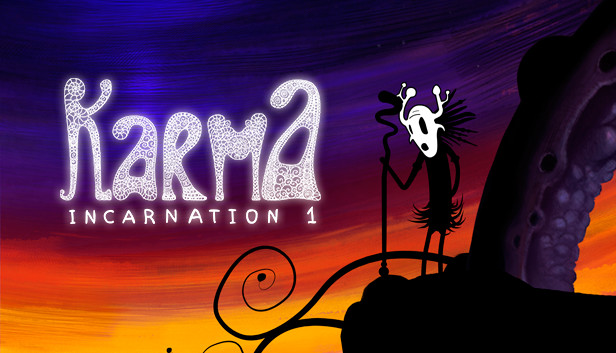
Incarnation – Lifetimes launched on Steam on Oct 19, 2016 from developer AuraLab and publisher Other Kind Games at $4.99, a adventure, casual, indie release for Windows and macOS. Steam’s own description reads: “This multi-award winning adventure game explores a love story between two beautiful souls through ingenious humour, mind bending puzzles and a bizarre, hand-drawn, frame-by-frame animation style.” The Steam listing confirms ships with single-player modes, plus Steam Achievements, with 27 languages supported at launch.


Incarnation – Lifetimes — Key Facts
From the Steam listing: This multi-award winning adventure game explores a love story between two beautiful souls through ingenious humour, mind bending puzzles and a bizarre, hand-drawn, frame-by-frame animation style.
- Developer: AuraLab
- Publisher: Other Kind Games
- Genres: Adventure, Casual, Indie
- Platforms: Windows, macOS
- Languages: English*, French*, Italian*, German*, Spanish – Spain*, Arabic*, Bulgarian*, Czech*, Danish*, Dutch*, Finnish*, Greek*, Hungarian*, Japanese*, Korean*, Norwegian*, Polish*, Portuguese – Portugal*, Portuguese – Brazil*, Romanian*, Russian*, Simplified Chinese*, Swedish*, Thai*, Traditional Chinese*, Turkish*, Ukrainian
- Release: Oct 19, 2016
- Price: $4.99
- Steam features: Single-player campaign, Steam Achievements, Steam Trading Cards
Incarnation – Lifetimes — Watch the Trailer
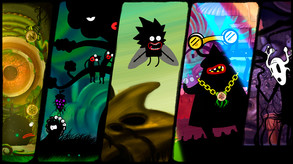

About Incarnation – Lifetimes: Gameplay & Details

Cheapest game credits, top-ups & vouchers · Instant delivery
Incarnation – Lifetimes — Screenshots
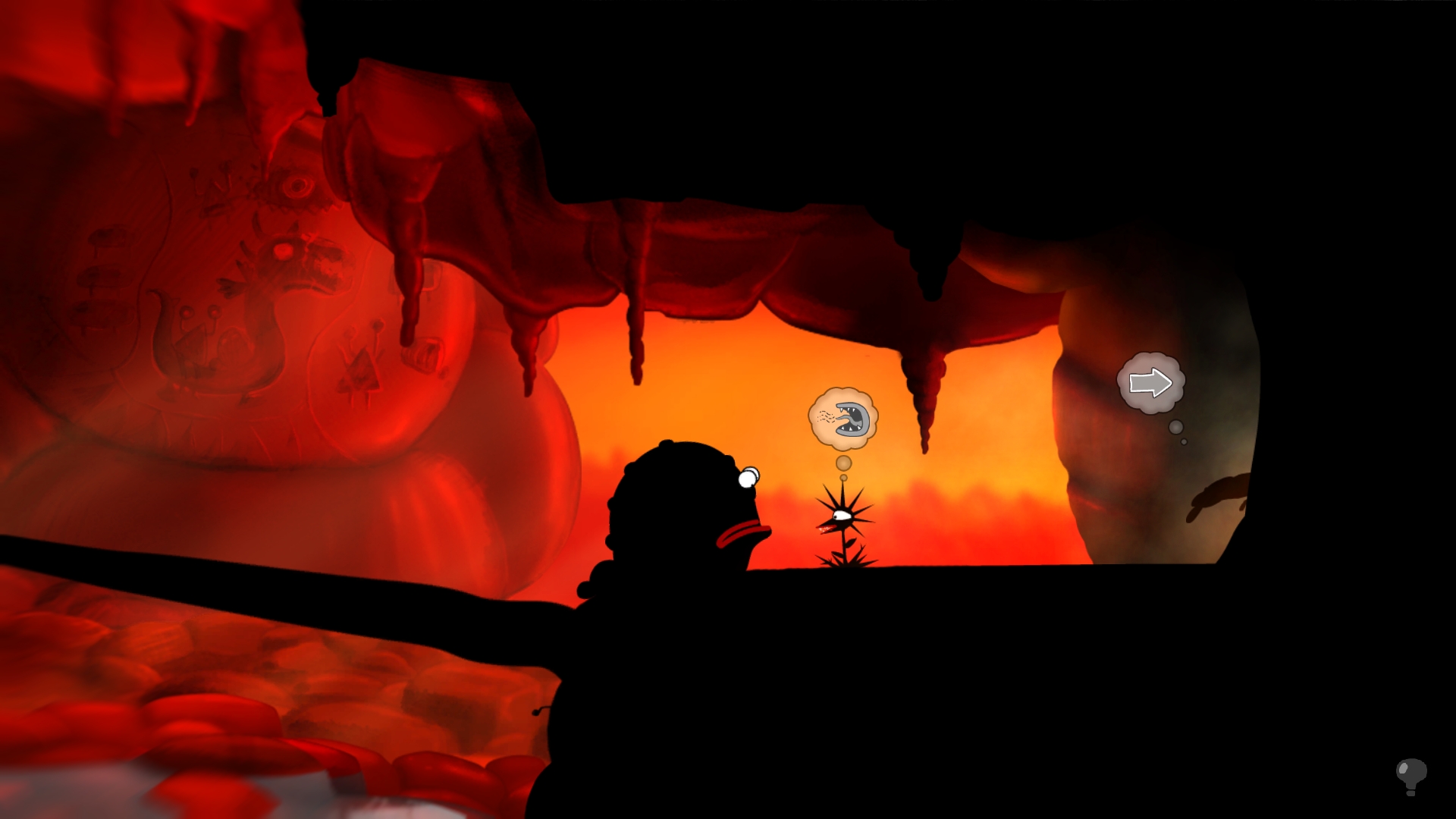
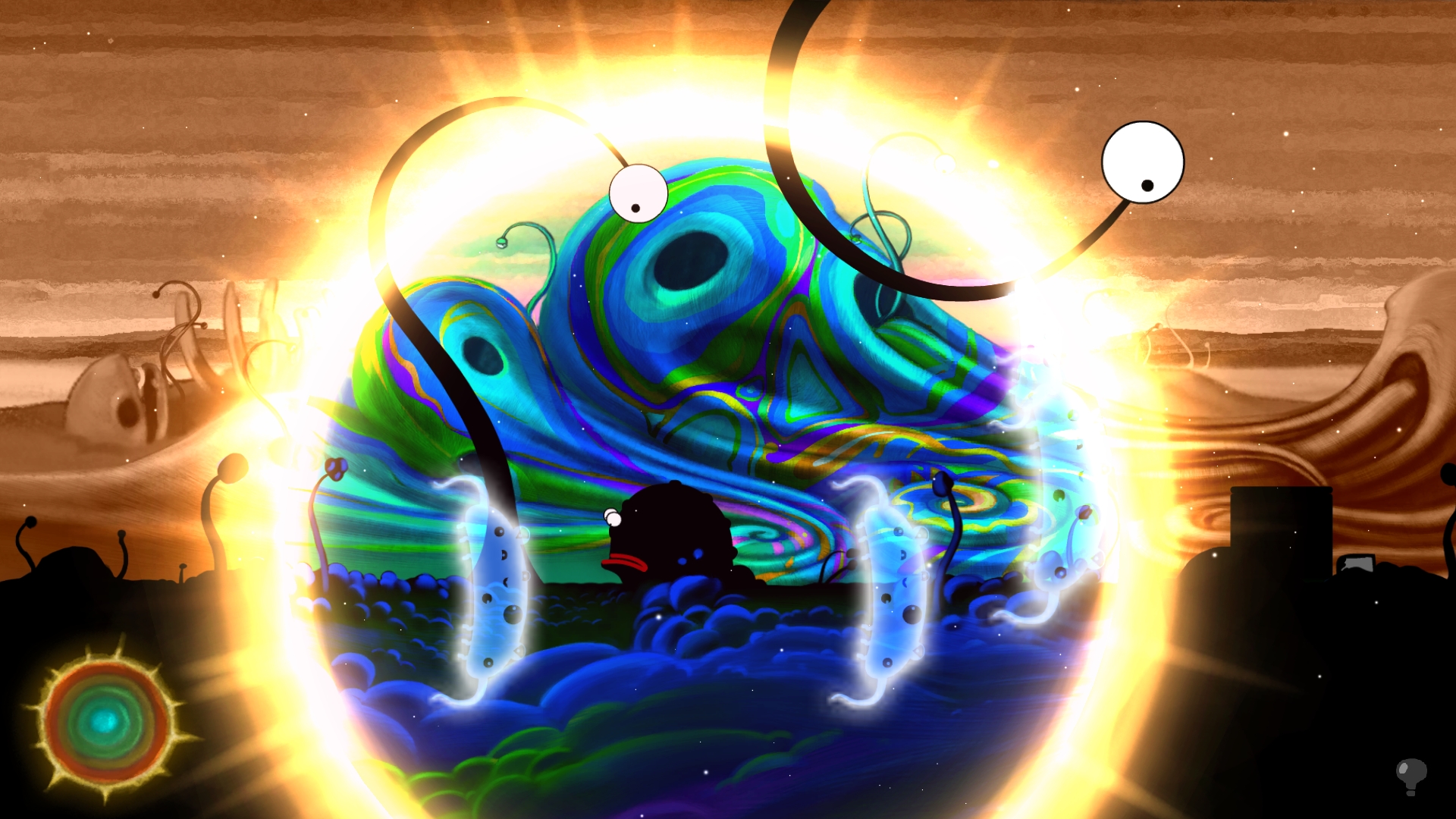
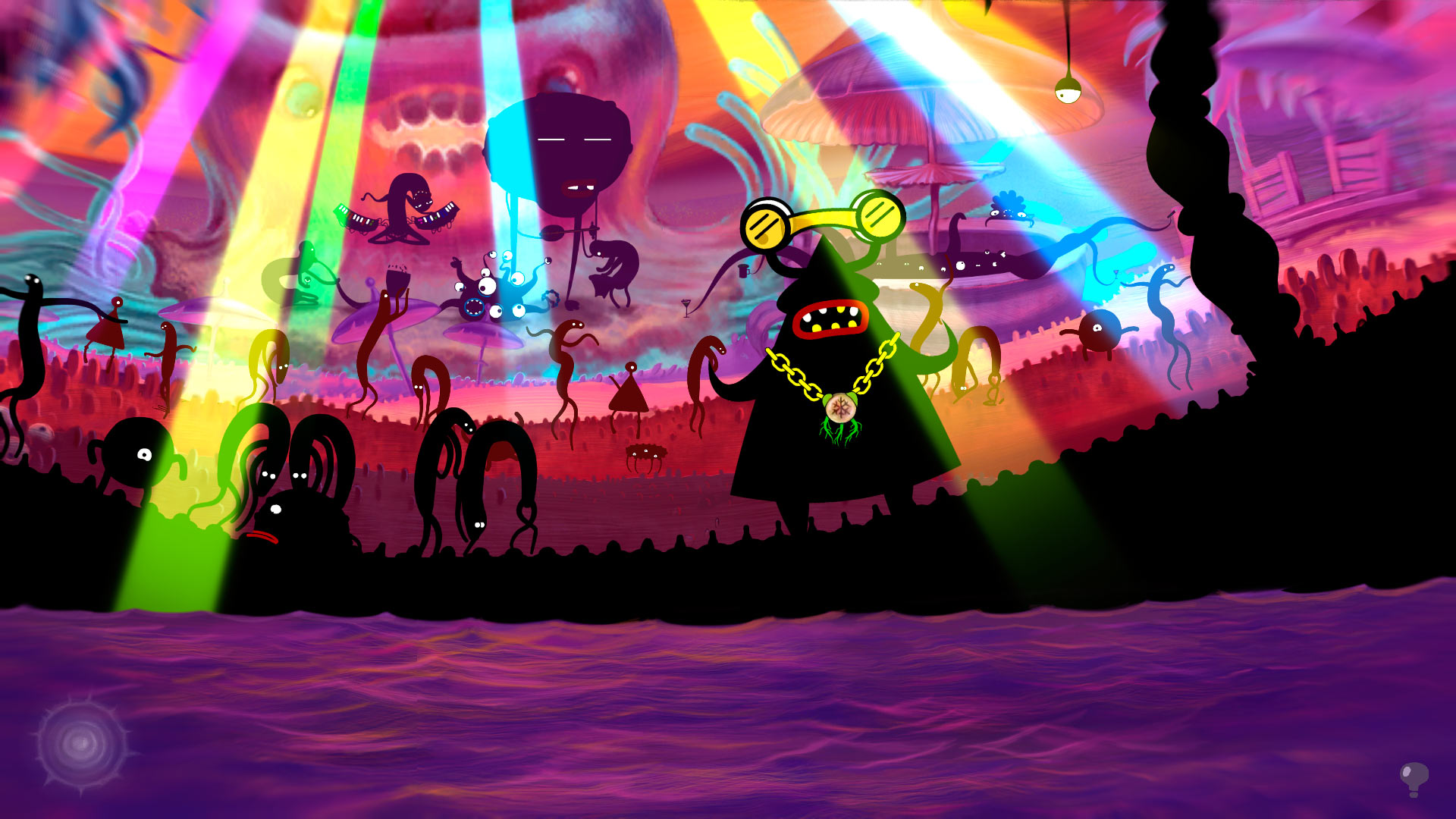
How You Play Incarnation – Lifetimes
The core loop combines strategic decision-making with deck-building progression and class-specific tactical depth across the three starting archetypes. Players pick their starting class, build their capabilities through in-run choices, and navigate the challenges that require careful skill application. Each run rewards players who have internalized the game’s underlying systems, and each failure teaches new dimensions of the mechanical design.
The low-RNG design philosophy distinguishes Incarnation – Lifetimes from many contemporary deck builders. Slay the Spire and its descendants rely on randomized card acquisition and enemy encounters that produce different runs each attempt; Incarnation – Lifetimes deliberately minimizes that randomness so that player skill development, not run-to-run luck variance, determines outcomes. Players who value skill-based progression over random-encounter variety find Craig Sisson’s design commitment refreshing.
The Japanese History Framing and the Editorial Voice
The tabletop game inspiration extends the design commitment further. Tabletop strategy games emphasize deliberate decision-making, information management, and long-term planning over reactive tactical execution — and Incarnation – Lifetimes translates that tabletop design philosophy into digital form. Players who appreciate the pace and depth of tabletop strategy games find in Incarnation – Lifetimes a digital design that respects those design values rather than abandoning them for real-time action.

Where It Sits in the Deck-Builder Landscape
Comparable titles include Slay the Spire for the modern deck-builder tradition, Monster Train for the class-differentiation strategic framework, and the broader category of Japanese-influenced strategy games that has surfaced across the past decade. Incarnation – Lifetimes differs from those benchmarks by minimizing RNG commitment more aggressively than most deck builders and by centring the Japanese historical framing rather than defaulting to fantasy or sci-fi settings.
The Strategy genre tag reflects the design’s scope focused on tactical decision-making rather than sprawling into multiple categories. The Single-player focus is the right choice for a skill-development deck builder where multiplayer coordination would fundamentally alter the personal-progression experience. Craig Sisson has stayed disciplined about the scope, focusing on the strategy core rather than expanding into elaborate meta-progression or narrative content that would dilute the tactical design commitment.
The Three-Class System and the Skill Development Depth
The three starting classes give the design meaningful strategic variety across playthroughs. Each class approaches the underlying mechanical systems with distinct tools and constraints, so mastering one class does not automatically translate into mastery of the others. Players who commit to exploring all three classes discover different strategic frameworks that reflect different Japanese historical tradition sensibilities.
The skill development philosophy anchors the design to genuine progression rather than random variance. Players who commit to Incarnation – Lifetimes discover that early failures teach specific mechanical lessons that improve future performance in reproducible ways. The skill-based progression creates the compound engagement that skill-based games sustain across many months of dedicated play, distinguishing them from pure luck-based experiences.
The Solo-Developer Achievement and the Long-Term Community Value
Craig Sisson as solo developer has shipped a complete strategy deck-builder with Japanese historical framing, three-class differentiation, low-RNG skill progression, and enough tactical depth to sustain many hours of play. Most solo-dev strategy attempts ship with dramatically smaller scope; Incarnation – Lifetimes’s completeness at launch represents genuine editorial ambition rare in the indie strategy category. The years of development, many failures, and redesigns signal the studio’s understanding that strategy games require iterative refinement rather than pure inspiration. Strategy deck-builders with skill-based progression build dedicated communities around shared strategic discussions and optimal play discoveries, and Incarnation – Lifetimes is well positioned for that formation given the three-class strategic depth. Players share class-specific strategies, decision-tree analyses, and skill-development discoveries across community discussion channels.
Buy or Skip — Incarnation – Lifetimes
Yes if strategy deck-builders are a comfort genre and you appreciate solo-developer editorial commitment with low-RNG skill focus. Yes if you enjoyed Slay the Spire, Monster Train, or Japanese historical strategy games and want another entry with distinctive design commitment. Yes if skill-based progression appeals to you more than random-encounter variety. Less yes if you prefer high-randomness deck builders or if minimalist RNG feels too deterministic. For the strategy audience at deep-budget pricing, this is a confident recommendation. Craig Sisson has earned the install for the genre faithful with editorial commitment that iterative solo-team indie work occasionally achieves at this scale.
— Rynx
Editorial note: Article curated from publicly available Steam community posts and dev announcements. PFN reports on launches and updates as a junction for gaming news — we do not represent the developers or publishers featured.
Incarnation – Lifetimes Verdict: 7/10 and Worth the Entry Price for the Right Player
Incarnation – Lifetimes delivers a coherent execution of its genre pillars — the design intent is clear, the presentation is polished within its scope, and players who actively want this specific experience will find it worth the entry price.
The Steam store listing: Incarnation – Lifetimes on Steam. Live pricing and community feedback sit on the Steam listing.
Player discussion and community reviews of Incarnation – Lifetimes, view the Incarnation – Lifetimes Steam Community Hub for the community section for genuine player perspective.
Incarnation – Lifetimes — Store Preview Widget
The Steam listing widget for Incarnation – Lifetimes embeds live — pricing, review data, screenshot preview follow.
Extended market data on Incarnation – Lifetimes, the Incarnation – Lifetimes SteamDB profile carries price history, player counts, and store analytics. Historical pricing details and reception data are accessible via SteamDB analytics.
At a glance — verified Steam listing
| Developer | AuraLab |
| Publisher | Other Kind Games |
| Release date | Oct 19, 2016 |
| Price | $4.99 — verified 10 September 2026 |
| Platforms | Windows, macOS |
| Genres | Adventure, Casual, Indie |
| Steam features | Single-player, Steam Achievements, Steam Trading Cards, Family Sharing |
| Languages | English, French, Italian, German, Spanish – Spain, Arabic and 21 more |
| Store screenshots | 9 |
📖 Read More on PixelForge Network
- Cyber Farmer Exits Early Access on Steam — PlayWay’s Cyberpunk Farming Sim Hits 1.0
- Best MMORPGs to Play in 2026 — The Definitive Tier List
- How to Choose Your First MMORPG — Ultimate Beginner Guide 2026
- Palworld 1.0 Launches on Steam — Biggest Update Adds World Tree and 72 New Pals
Related Reading on PixelForge Network
More indie Steam coverage from PixelForge Network:
- PARKSIDE: DECAYED SOUL MANIPULATION Release Date — Public Info
- Skelemancer TD Launches on Steam — Multi-Skill Skeleton Wizard Tower Defense From NullPanda
- Lunarium Just Launched on Steam
Stay current on indie releases via our news feed or the PC section.
This article may contain affiliate links to trusted partners. PixelForge Network may earn a commission at no extra cost to you, which helps support our independent gaming coverage. Read our full disclosure.


